


Sanded Floorboards

Introduction
Where solid wood floorboards have been installed across the joists to form the floor of a room, these can be stripped and sanded back to a clean, sound surface. This can then be varnished, stained or painted to produce an attractive, practical and cost-effective flooring.
These floors have become very popular over recent decades, which has meant that industrial sanding equipment is now widely available to hire.
- Find a Tool Hire Centre near you
At a glance

- Require no ‘fitting’
- Do not require any special edging accessories
- Can be coated with stain, varnish or paint
- Can be repaired by sanding and revarnishing

- Gaps between boards should be filled to prevent draughts
- Sanding is noisy and creates a lot of dust
- Floorboards must be in a reasonable condition
- Floor colour will change in sunlight
- Varnish, paint or oil will require maintenance
Tools for the job
To sand back and repair wooden floorboards, you wil need the following;
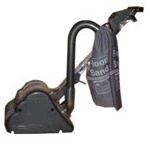
- Floor drum or belt sander
- Floor edging sander
- Sanding belts and discs at a range of grits
- Strips of wood to fit gaps
- Mallet
- Hammer
- Nail Punch
- Varnish, stain, paint or oil
- 4” Paintbrush
- Dust sheets
- Masking tape
Sanding wooden floorboards tips
- Empty the room of furniture and carpets, hang dust sheets at doorways and tape up any cupboards.
- Ensure each floorboard is firmly nailed or screwed down to the joists beneath, with all nail heads sitting just below the surface. Use a hammer and nail punch to tap in any nails which are sitting above the board surface, do not use just a hammer as this will leave a hammer head shape in the wood surface. Nails should sit just below the surface to ensure they do not damage the sander.
- Replace any boards that aren’t sound and repair any damaged boards with woodfiller.
- Fill gaps between floorboards by driving thin strips of wood between them with a mallet. While this will reduce draughts on a ground level floor, it is not strictly necessary on first floors or above since the amount of cold air circulating won’t be significant, but you may still choose to fill gaps here for aesthetic purposes.
- Make 2 to 4 passes with the sanding machines (the belt sander and the edger), using a decreasingly coarse paper each time, with the final pass made with a very fine 100-120 grit paper (the lower the number, the coarser the grit), to achieve smooth and clean boards.
- Remember to run the sanders along the length of the floorboards, not across them, to keep with the grain and ensure the wood doesn't split.
- Having vacuumed and wiped all dust away, you should apply the decorative and protective layers of varnish, stain, paint or oil with the woodgrain, sanding lightly with a fine grit paper between applications.
- Plan this work to avoid ‘painting yourself into a corner’!
Further information and useful links
- Find a Wood Floor supplier near you
- Find a Wood Floor Fitter near you
- Find a Floor Sanding & Repair Specialist near you
Site Pages
Featured Articles