


Wallpaper

Introduction
When it comes to decorating a wall many of use opt for the easy option and simply paint the plaster, however a professional finish isn't always so easy to achieve, especially with old plaster, wallpaper on the other hand can make any wall look great, and it really isn't that hard to do. The trick is to pick the correct type of paper for the job in hand.
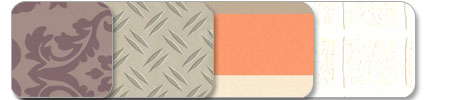
The range of wallpapers varies hugely, from the inexpensive, to those costing many hundreds of pounds per roll. The ease with which these papers can be hung also varies considerably, so it is important to select the correct type of wallpaper for your budget, skill level and desired decorative effect.
Lining Paper
As the name suggests, lining paper is an inexpensive and basic paper used to make a good substrate for paint or further layers of paper. Although predominantly designed for covering a wall underneath regular wallpaper, lining paper can also be used simply to provide a smooth, flat and fresh surface for painting.
- Hang lining paper in horizontal rows before hanging vertical additional top layers of paper. If painting lining paper, hang it vertically
- Hides imperfections in the wall
- Provides a good base for painting or additional layers of wallpaper
- Does not provide a decorative finish
Woodchip
Woodchip is relatively inexpensive and includes small chips of wood on the paper, which can vary in size from fine to coarse to provide a textured appearance.
- Hides imperfections in the wall
- Creates an interesting textured appearance
- Must be painted after hanging and drying
- Is not easy to remove, even with a steam stripper
Pulps
Often the cheapest form of wallpaper, consisting of paper printed with a pattern. This does mean though that the paper is usually quite thin, so care must be taken when pasting and hanging.
- Inexpensive
- Easy to strip off
- Easy to overstretch during hanging, making patterns hard to match up
Vinyl Coated and Vinyl
These are made of backing paper which is laminated with a patterned vinyl layer. This layer makes these papers durable and washable, making them ideal for kitchens and bathrooms.
- When hanging vinyl wallpaper, apply paste to the wall first and then fix the wallpaper to it
- Easy to hang
- Hard-wearing and washable
- Good for kitchens and bathrooms
- Can be hard to strip as vinyl layer is water-resistant
- Can have a slight sheen as light reflects from the vinyl layer
Blown Vinyl
The vinyl surface of this paper includes air bubbles that expand the top layer and create a highly textured surface. This makes this type of paper ideal for a dining or living room, but not suitable for a childs bedroom. These papers can be patterned or painted over.
- Hides imperfections in the wall
- ‘Blown’ pattern can easily be damaged and dented
Embossed
Also includes ‘anaglypta’ papers. These wallpapers are embossed with a relief pattern that can be painted.
- Hides imperfections in the wall
- Usually more hard wearing than blown vinyl
- Textured effect needs careful painting
- Can be tricky to remove, especially if anaglypta
Foils
These papers include reflective metallic colours and patterns. Due to the increasing popularity of this style of paper is has become a more reasonable option for many of us, however depending on the actual desired finish, foil paper can still be quite expensive.
- Can deliver a bright and contemporary look
- Highlights imperfections in the wall
- Wrinkles easily when hanging
Flocks
Decorated with a fibrous, usually ornate, pattern that looks and feels like velvet. Flocked wallpaper can produce a truly grand look for a dining or living room, which must be born in mind when choosing accessories and furniture to avoid a 'cluttered look' in the room.
- Can create a dramatic look
- Difficult to hang and patterns must be matched
- Can be difficult to keep clean
Fabric
Consist of a fabric stiffened with paper backing.
- Creates a natural textured look
- Hides imperfections in the wall
- Requires careful pasting to avoid staining
Grass Cloth
Consists of a layer of long interwoven strands of grass.
- Creates an exotic look
- Not resistant to wear or humidity
- Not easy to remove
- Requires clear adhesive
Cork-faced
Paper covered with a thin layer of cork.
- Creates a cosy wood-look
- Thick paper can be difficult to hang
- Difficult to remove
Hand printed
The paper is printed with a pattern by hand to achieve a truly unique and very special finish
- Made to order so achieves a very individual look
- Very Expensive
- Hanging is extremely difficult due to inexact matching of pattern and untrimmed edges
Further information and useful links
- Find a wallpaper store near you
Site Pages
Featured Articles