


Paint Stripping

Introduction
If the existing paintwork is in a poor condition with several cracks and large flaking areas, the best result will be achieved by stripping the paint off back to the bare material. There are three key methods to achieve this:
Sanding
Sandpaper, either by hand or using a power-sander, removes paint by physically breaking the paint bonds. Use coarse grade sandpaper first, working down to fine-grade sandpaper for a smooth finish. Remember to always wear a face mask when sanding.
If sanding by hand use a purpose-built hand sander or wrap a length of sandpaper around a cork sanding block. This will ensure a more even finish and, ultimately, save your fingers from aching.
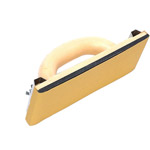

- Cheapest approach

- Creates a lot of dust
- Suitable only for mainly flat surfaces
- Slow to penetrate through thick layers of paint
- Not suitable for lead paint
Heat Gun
Heat Guns cause paint to melt so that it softens and can be scraped off the surface using a putty knife.
Tools that have an open flame, such as propane torches, should not be used to strip paint as they can easily cause fires. Even non-flaming heat guns can cause scorching and burning if used for too long on a single spot. They should also not be used immediately next to glass panels as the heat can cause the glass to crack.
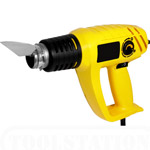
- Swift removal of several paint layers
- Removes paint from contoured surfaces
- Not suitable for lead paint
- Can cause scorching and burning
- Not recommended immediately adjacent to windows
Chemical Strippers
These paint strippers may be liquids, gels or pastes that use strong chemicals to loosen paint from the surface so that it may be scraped off the door with a putty knife.
Use a scrape hook or wire wool to remove chemically softened paint from contoured and intricately shaped surfaces.
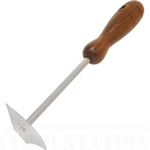
- The thickness of the gel or paste makes a difference only to how the stripper will adhere to a vertical surface, not its efficacy at removing paint.
- The chemicals in these strippers are often hazardous, causing severe irritation if they contact the skin and eyes or if inhaled.
When working with chemical strippers always read the instructions carefully and follow all safety advice. Ensure that protective clothing and goggles are worn and that the job is undertaken outside or in an area of high ventilation. Do not use flammable chemical strippers next to heat, sparks, flames or any gas or electrical appliance, including fans for ventilation. Do not smoke while using these chemicals.
Further information and useful links
- Find a Paint Stripping Service near you
- Find a Paint Materials store near you
Site Pages
Featured Articles