


A Guide to Paint

Introduction
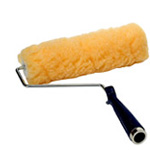
Painting a wall is quite frankly the easiest way to change the look and feel of a room, however to achieve a professional finish requires a lot of patience and skill. Always ensure that you have prepared the walls first, make sure you have all the tools you need, and most importantly take your time.
There are various types of paint available on the market, so it is important to select the best one for the job in hand. The most common two are Emulsion and Gloss, however there are a number of other types that are used for specific jobs.
Emulsion
An emulsion is a water-based paint that is most suitable for internal walls and ceilings.
- Low odour
- Easy to apply
- Tools and spillages can be cleaned with water
- Dries quickly
- Less resistant to wear and tear
- Won’t stand up to regular cleaning
Vinyl or acrylic resins are added to emulsions to give them varying levels of sheen, and as this shine increases, the paint becomes increasingly hard wearing. These resins are often referred to as matt, eggshell, silk, satin or gloss.
Vinyl Matt
This paint provides a non-shiny matt finish, ideal for hiding small imperfections in the underlying wall surface. These should not be used in areas of high condensation, such as bathrooms and kitchens, or where the wall will need to be sponged clean regularly, such as hallways.
Vinyl Satin
This produces a subtle soft-lustre finish to your walls, and is often more durable and stain resistant than matt finishes. This makes this paint suitable for children’s rooms, hallways and stairways.
Vinyl Silk
This paint delivers a high-sheen durable finish making it perfect for areas of high wear and tear, such as floors, stairs and handrails. These hard wearing properties also make it resistant to condensation which is useful for kitchens and bathrooms.
Gloss
Gloss paints can be water-based with a high level of added resin, however they are more usually oil-based paints. They are particularly hard wearing and provide excellent weather-protection for external woodwork.
- Resistant to wear & tear and sags
- Can provide a near waterproof barrier
- Longer drying time can create drips
- Strong odour
- Requires paint thinners, such as whire spirit, to clean tools and spillages
When working with gloss paints, try bearing in mind the following;
- Gloss paints create a high-shine finish which will accentuate any surface imperfections.
- To achieve a good weather-resistant finish, it is essential to apply an undercoat before painting with gloss.
- Thick coats of gloss paint take many hours to dry and can develop sags and drips. To avoid this, you should apply gloss paint in several thin layers.
- If the job requires a thick coat of paint, use instead a non-drip (or thixotropic) gloss paint which has a jelly-like consistency.
Primer
Primers can be water or oil-based and are used primarily to seal unpainted surfaces and prevent future coats soaking in. They can also be used to prepare previously painted surfaces that have begun to flake and peel. The appropriate type of primer (as specified on the can) should always be used for either bare wood or metal, although some multi-purpose primers are available.
Undercoat
This is usually oil-based and should be applied on top of the primer. You should select the same shade of undercoat as the top coat to deliver the best finish.
Radiator Paint
This paint is specially designed to be applied to metal and to resist the high temperatures of a radiator whilst not discolouring.
Anti-condensation paint
This is a formulated paint which makes the surface resistant to becoming cold thereby ensuring that condensation is less likely to form, also in many cases it will often include a fungicide as well. This paint is particularly useful for kitchens and bathrooms, although where these rooms have reasonable ventilation, a vinyl emulsion paint will often suffice.
Further information and useful links
- Find a Paint Materials store near you
- Find a Decorator near you
Site Pages
Featured Articles