


How to paint a panelled door

Tools for the Job
To paint a door you will need;
- Medium and fine grade sandpaper
- Paint remover – coarse sandpaper, heat gun or chemical stripper
- Screwdriver
- Cellulose filler, woodfiller or putty
- Knotting fluid
- 2”paintbrush and 1” paintbrush
- Drop Cloth
- Primer
- Topcoat Paint
- Water to clean and dilute if using water-based paint, such as emulsion
- White Spirit to clean and dilute if using oil-based paint, such as gloss
- Clean cloth

Procedure
- Paint the edges of the door first using the 1” paintbrush.
- Be sure to cover the top and bottom edges well to protect against wet rot.
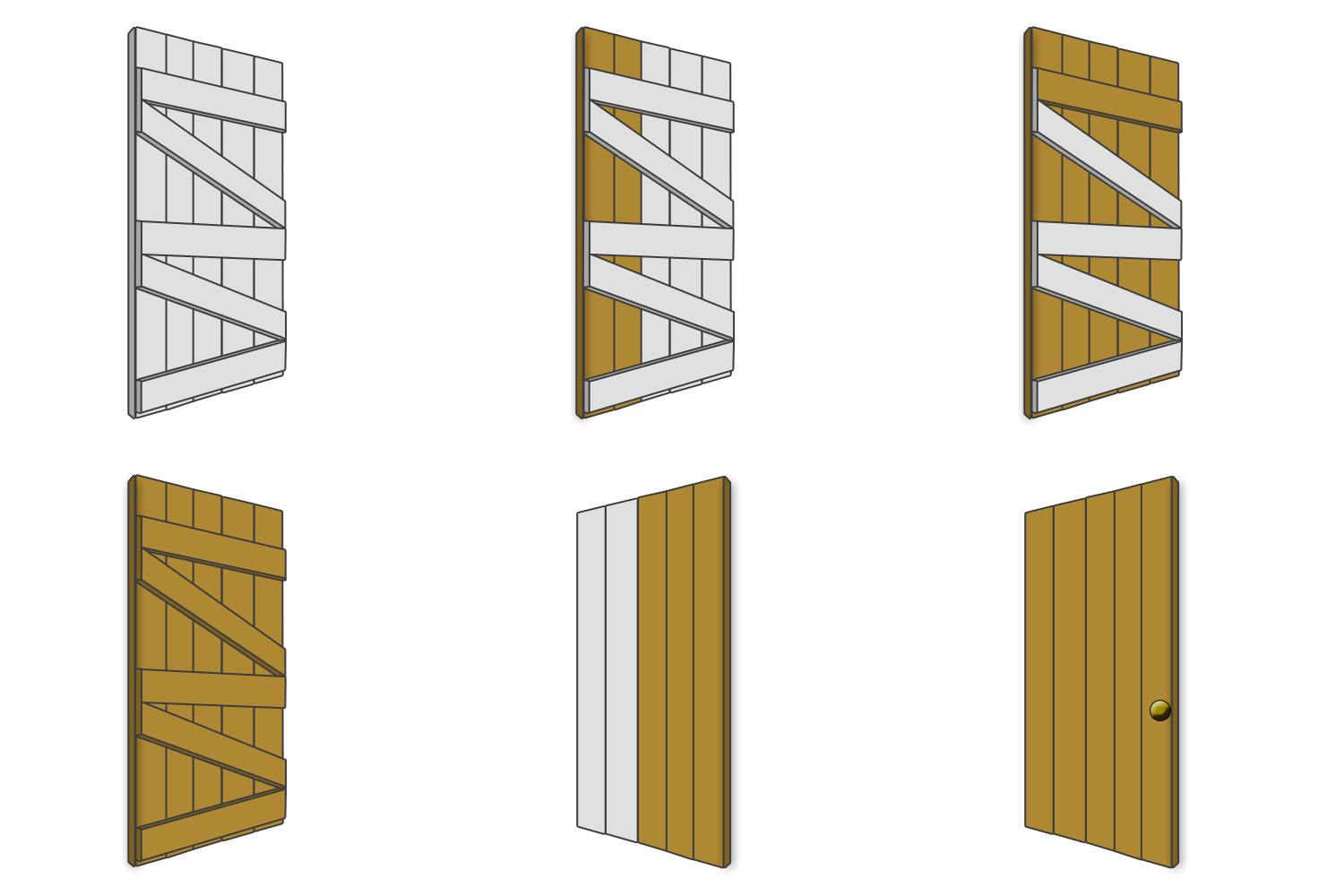
- Next paint the faces of the door using the 4” paintbrush in sections in numerical order as shown in the diagram below.
- Paint the rear face of the door next using the 2" paintbrush, first covering each vertical panel, and finishing with the ledges and braces.
- Don’t overload your brush with too much paint as this will encourage runs. These are especially likely where the boards meet.
- Check back over the door and remove any developing runs by brushing them out and laying off with and upward stroke.
- Now paint the front broad side of the door, following the grain and covering each vertical board completely, before moving on to the next, as shown in the diagram.
- As you complete each section, lay off the paint with a light upward stroke using the tip of the brush.
Painting order animation
How much paint will I need?
It is recommended that gloss or vinyl silk paint is used for the top coat on doors as they are the most hard wearing.
- A single coat of primer, covering both sides of a door will require 0.5 litres of paint.
- A single coat of undercoat, covering both sides of a door will require 0.5 litres of paint.
- A single top coat of gloss, covering both sides of a door will require 0.5 litres of paint.
Further information and useful links
- Click here for our guide to paint
- Click here for more painting & decorating topics
- Click here for more windows & doors topics
- Find a Decorator near you
- Find a Paint Materials store near you
- Find a Door supplier near you
Site Pages
Featured Articles